

Homeschooling in the UK (home education) has become an increasingly popular choice for families like ours seeking to tailor their children’s education to individual needs and values. However, understanding the cost of home educating and selecting the appropriate home ed curriculum can be challenging. This guide aims to provide insights into various home education programs, including free homeschool programs and online home education options, to assist parents in making informed decisions.
Home Education Programs

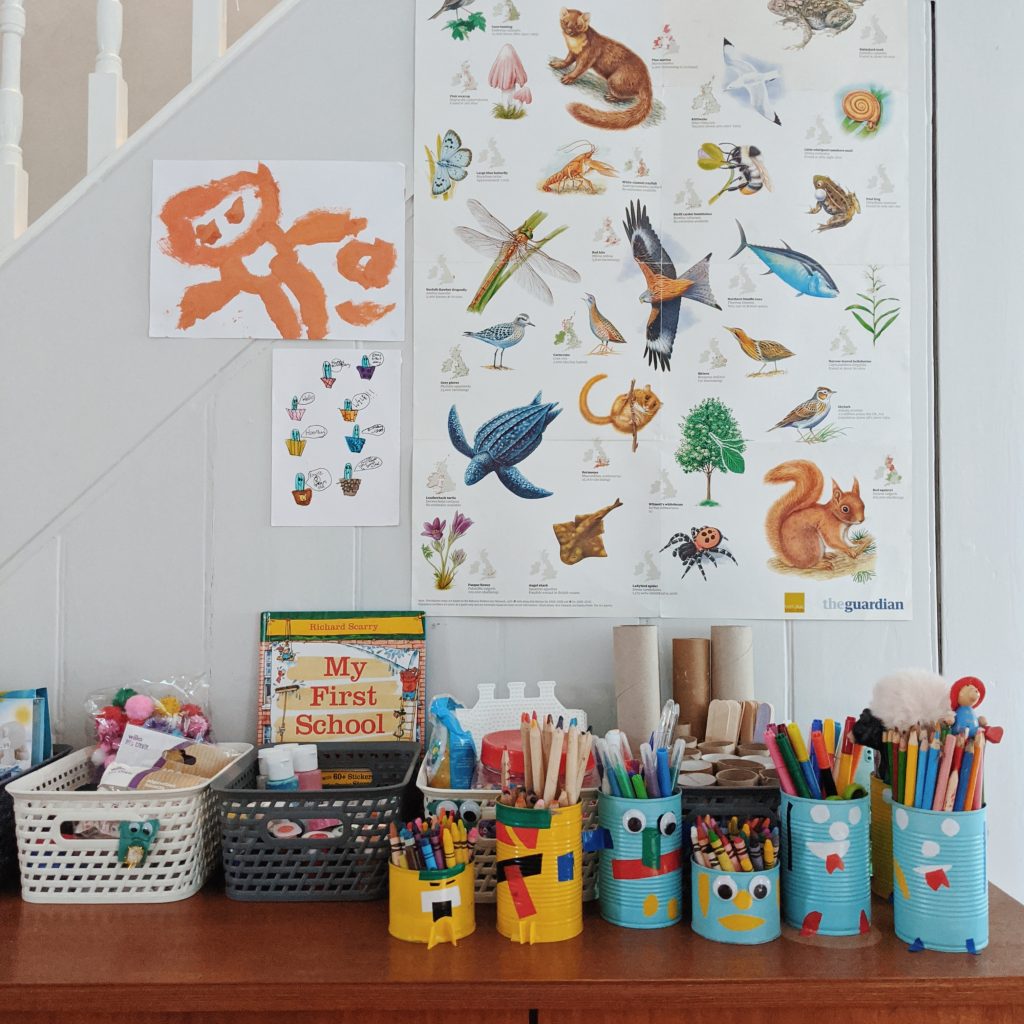
Why Parents Choose Home Education
Parents opt for home education for various reasons, including concerns about the traditional school environment, the desire for a customised learning experience, and the flexibility to incorporate family values and beliefs into the curriculum. Home education allows for a tailored educational approach that can adapt to a child’s unique learning style and pace.
Approaches to Homeschooling
There are several educational philosophies that parents can adopt in their homeschooling journey:
The Classical Method
The Classical Method of homeschooling is an educational approach rooted in the traditions of ancient Greece and Rome, emphasizing the pursuit of truth, beauty, and goodness through a structured, language-rich curriculum. It follows the Trivium, a three-stage model of learning that aligns with a child’s natural cognitive development: the Grammar stage(elementary years) focuses on memorization and foundational knowledge; the Logic stage (middle school) emphasizes reasoning, critical thinking, and understanding cause and effect; and the Rhetoric stage (high school) cultivates eloquence, persuasive communication, and original thought. This method often includes the study of classical literature, Latin, history, philosophy, and the Great Books, fostering a deep appreciation for Western civilization and intellectual discipline. Many families choose the Classical Method for its focus on timeless wisdom, moral character, and the development of lifelong learners who can think clearly and express themselves effectively.
Charlotte Mason Method
The Charlotte Mason Method of homeschooling is a gentle, holistic approach to education that emphasizes nurturing a child’s mind, character, and love for learning. Developed by British educator Charlotte Mason in the late 19th and early 20th centuries, this method views children as whole persons and encourages learning through rich, meaningful experiences rather than rote memorization or test-driven instruction. Central to the approach are “living books”—well-written, narrative-style works that inspire imagination and emotional connection—along with nature study, art and music appreciation, and habit training to build discipline and moral strength. Lessons are typically short to maintain attention and leave room for exploration, outdoor play, and creativity. The Charlotte Mason Method seeks to cultivate curiosity, virtue, and a lifelong love of learning, helping students grow not just academically, but spiritually and emotionally as well.
Steiner Waldorf Education
The Steiner/Waldorf Method of homeschooling, inspired by the educational philosophy of Rudolf Steiner, emphasizes the balanced development of the head, heart, and hands—intellectual, emotional, and practical growth. This approach nurtures the whole child by integrating art, music, movement, storytelling, and handcrafts into every subject, encouraging creativity and imagination alongside academic learning. The curriculum is designed to align with the child’s natural developmental stages, introducing concepts at the time they are most meaningful and age-appropriate. Early education focuses on play, rhythm, and imitation rather than formal academics, while later years build on critical thinking, independence, and a deeper connection to the world. Technology is typically minimized in favor of hands-on experiences and human connection, fostering curiosity, empathy, and an appreciation for beauty and nature. The Waldorf Method seeks to cultivate not only knowledgeable students, but also compassionate, purposeful individuals who engage the world with creativity and integrity.
Montessori Education
The Montessori Method of homeschooling, developed by Dr. Maria Montessori, is a child-centered approach that emphasizes independence, hands-on learning, and respect for each child’s natural curiosity and pace of development. It encourages students to take an active role in their education through self-directed activities within a carefully prepared environment that promotes exploration and discovery. Learning materials are designed to be tactile and engaging, helping children understand abstract concepts through concrete experiences. The Montessori philosophy values freedom within limits, allowing children to make choices and develop responsibility while the teacher serves as a gentle guide rather than a lecturer. Multi-age classrooms (or homeschool groupings) foster cooperation, leadership, and peer learning. Rooted in the belief that education should nurture the whole child—intellectual, emotional, social, and physical—the Montessori Method seeks to cultivate lifelong learners who are confident, capable, and intrinsically motivated.


Recommended Homeschooling Curriculums in the UK
Selecting the right home education curriculum is crucial for a successful homeschooling experience. Below are some home school programs, including options for both free and paid homeschooling options and free curriculum for homeschooling.
- Waldorf Essentials
This curriculum follows the Waldorf philosophy, focusing on creativity and practical skills through hands-on activities. It provides weekly lesson plans for grades 0 (kindergarten) to 8, offering structure with flexibility. - Ambleside Online
A free Charlotte Mason-style curriculum that integrates subjects like history, literature, science, and art into daily lessons. It encourages independent reading and narration, utilizing a wide range of resources. - Khan Academy
A non-profit organization offering free online courses in various subjects. The self-paced curriculum includes interactive activities, videos, and practice exercises, making it an accessible option for families seeking free homeschool programs. - Live Laugh Play
Live, Laugh, Love is a supportive online community and resource hub for home educators, offering guidance, curriculum recommendations, and practical homeschooling tips to help families create a fulfilling and effective learning environment. - Ed Place
EdPlace is an online learning platform designed for home educators, providing interactive worksheets, assessments, and personalized learning resources in English, maths, and science to support students from Key Stage 1 to GCSE. We have personally used this programme and can recommend it. - Waldorf Inspired Homeschooling
A UK-based program offering detailed daily lesson plans for ages 6 to 14, with future plans for younger and older students. Families can choose between packages with varying levels of support. - Minerva Academy
Minerva Academy is a UK-based online school offering a flexible, accredited curriculum designed to combine academic excellence with personalized learning. Catering to students from primary through A-levels, Minerva provides live, interactive lessons led by qualified teachers, along with one-on-one mentoring and progress tracking. The program emphasizes independent thinking, digital literacy, and emotional well-being, helping students develop both academically and personally. With small class sizes and a focus on individualized support, Minerva Academy is ideal for homeschooling families seeking a structured yet adaptable approach that is also an accredited homeschool program. - Christopherus Homeschool Resources
Founded in 2003, this provider offers Waldorf-inspired educational materials for homeschoolers, including resources for middle grades and comprehensive curriculum overviews. - Multisori
Developed by a Montessori homeschooler, Multisori offers authentic Montessori resources that are easy to use and suitable for multi-age learning. The program is designed to simplify homeschooling for parents and enhance children’s education. - Kings InterHigh
Established in 2006, online homeschool programs like this online institution offer structured and comprehensive courses catering to various educational stages, from primary to A-levels. Students are often from acting or professional sporting backgrounds and use Kings InterHigh to be able to work alongside their studies. Kings, Minerva and Ed Space all offer a high school homeschool curriculum.
Cost of Homeschooling
The cost of homeschooling / home education can vary widely depending on the chosen curriculum and resources. Some programs, like Khan Academy and Ambleside Online, offer a free homeschool curriculum making it possible to homeschool for free online. Other curricula may require purchasing materials or enrolling in courses, contributing to the overall cost of homeschool education. It’s essential to consider these factors when planning your home education program.
Advantages of educating your children at home
Homeschooling offers several benefits, including:
- Customized Learning: Tailoring the curriculum to suit a child’s learning style and interests.
- Flexible Scheduling: Allowing families to set their own pace and timetable.
- Stronger Family Bonds: Providing opportunities for families to spend quality time together.
- Safe Learning Environment: Creating a controlled environment that aligns with family values.
How to Homeschool
Embarking on the homeschooling journey involves several steps:
- Research: Understand the legal requirements for home education in your area.
- Choose a Curriculum: Select a home schooling curriculum that aligns with your educational philosophy and your child’s needs.
- Plan a Schedule: Develop a flexible timetable or rhythm that accommodates learning objectives and family activities.
- Gather Resources: Utilise available homeschooling resources, including free homeschool programs and online materials.
- Join Support Groups: Connect with other home educating families for support, resource sharing and social meet ups.
Unschooling: An Alternative Approach
If you don’t feel comfortable following a set curriculum you can also ‘unschool’. Unschooling is a form of home education that emphasizes child-led learning without a formal curriculum. It allows children to explore their interests and learn through life experiences, promoting autonomy and intrinsic motivation. You can read my post on ‘what is unschooling’ here.
If you enjoyed this post you may also like:
Deschooling and its vital role in home education
A homeschooling guide for beginners
What we love about homeschooling