I thought I’d do a little post about why we chose to cloth nappy. I know to lots of people they are a bit of a mystery and often seen as harder work than they are so hopefully this might be helpful to some!
I know, I know, it seems a bit scary diving into cloth-nappying, especially when disposables seem so easy. But let’s spill the tea; once you’ve got the hang of it (like most things parenting), it’s a breeze.
So, here’s the thing; I turned to cloth nappies primarily with the planet in mind. The numbers are a bit, well, frightening. Each baby typically gets through about 5,000 nappies before they’re potty trained. And where do most of these end up? Yes, the landfill, where they stay for hundreds of years. I think of my little one toddling around the garden and then I imagine the world when he’s the same age as me. Wouldn’t it be nice if we left him a planet that’s healthy?
Cloth Nappy Essentials
We used cloth nappies with Wilf exclusively until he was around 18 months old, I was off on maternity leave and only really entered back into the world of work (albeit from home self-employed) around this time. He started nursery initially two and then three days a week around this time so to make life a bit easier for the nursery staff we chose to introduce disposables at this point too. That being said I know lots of nurseries that wouldn’t find it an issue and ours might not have minded either but it generally felt easier to leave a pack of disposables with them and continue cloth at home.
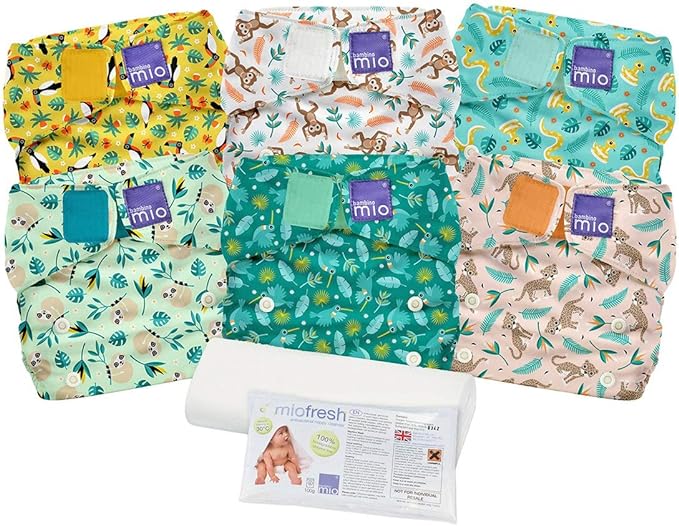
And this is where cloth nappies come riding in like the eco-conscious heroes they are. One cloth nappy can replace hundreds of disposables! Just think of all the waste you’d be saving if you made the switch. Plus, they’re super simple to use – seriously, if you can do a basic onesie, you can do a cloth nappy.
I started using them with Wilf around 8 weeks and we introduced them with Mabli at roughly the same time. Before that felt a bit early in our sleep-deprived states and also because with our kids their legs are just a bit too tiny before this stage to fit them properly.
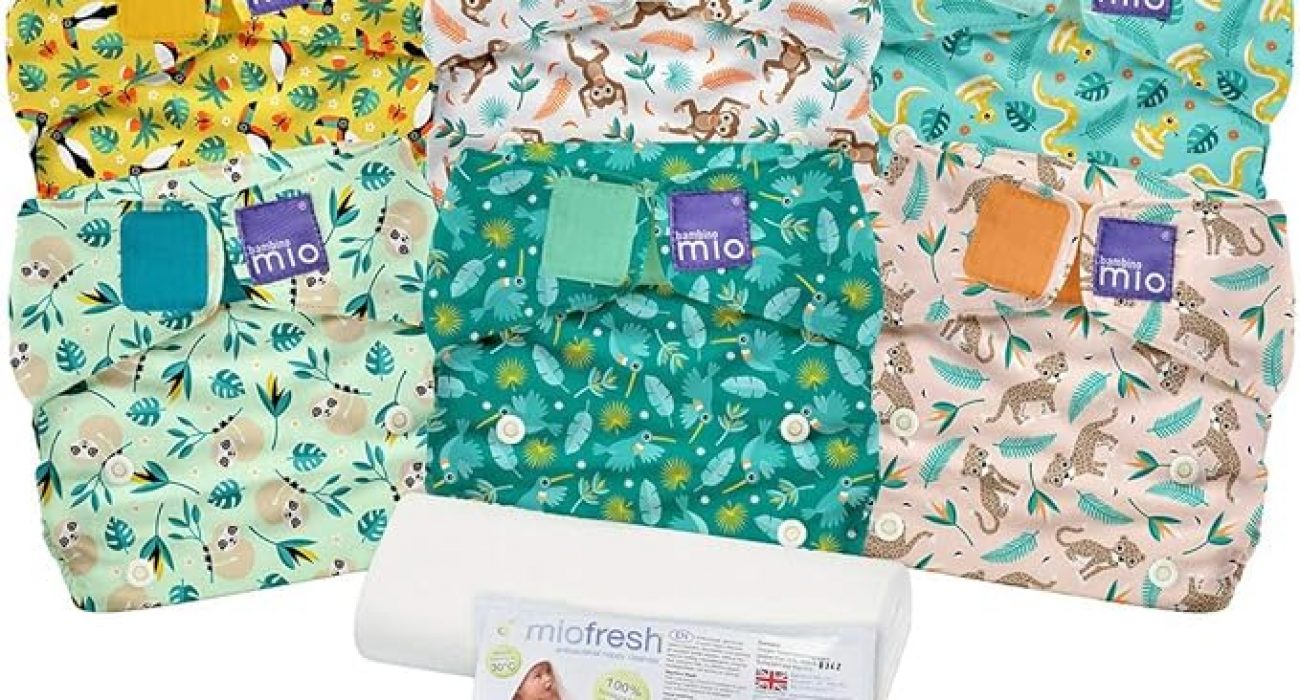
We chose to cloth nappies for several reasons, one it makes me feel better about my impact on the environment. Secondly and probably the thing that swayed us predominately the first time around was the cost-saving aspect. We use the all-in-ones from Bambino Mio and have about 15 nappies (so roughly £150 in total and you’re done!) and that ensures we always have a few clean ones spare, although I guess it depends on how often you put a wash. I think maybe around 20 would be better but we put a wash on daily with the other baby bits we are doing.
Cloth nappies babies indeed need to be changed more often and that’s because they don’t have the chemicals that disposables have to keep them dry for longer but I’d say we change her every few hours which is fine. I have to say we always use a disposable at night because I’d rather not be getting up and changing her every few hours during that period of time! I’ve been told that often cloth nappies babies potty train earlier because they can feel slightly wet and it makes them realise when they’ve done a wee. I’m not sure this was the case with Wilf really as he potty trained just after he was two and a half but saying that he did get it within a few days so who knows it may have helped.
Let’s talk money (real parents know budgeting is the name of the game). Yes, the initial cost of buying your stash of cloth nappies sounds hefty. But trust me, once you’ve purchased your reusable nappies, every change of the bum that doesn’t involve buying a new packet of disposables is like a mini victory for your purse. Over the entire nappy-wearing period of a kid, you can save quite a few quid. And if you’re planning on more little ones, hand-me-down cloth nappies are a thing, so those savings just multiply. (Yes, let’s all take a moment to imagine what we could do with that saved cash!)
When you first cloth nappy you need to insert a liner which then catches the poo and you can flush them down the toilet so it’s not like you’re putting a whole load of poo in your machine. We tend to have a bucket in our bathroom that we fling them in and then throw in the wash at the end of the day, we also have a tumble dryer (which helps over winter!) although I do love to see colourful nappies on the line!
I’d say we use cloth about 80% of the time but we do take disposables on journeys or if we know we’re going to out all day as it’s a bit easier, that being said if you take a little bag within your change bag you can just pop a soiled one in there and it’s not a big deal. I pity the person who tries to steal my handbag, they’d be met with a pooey nappy!
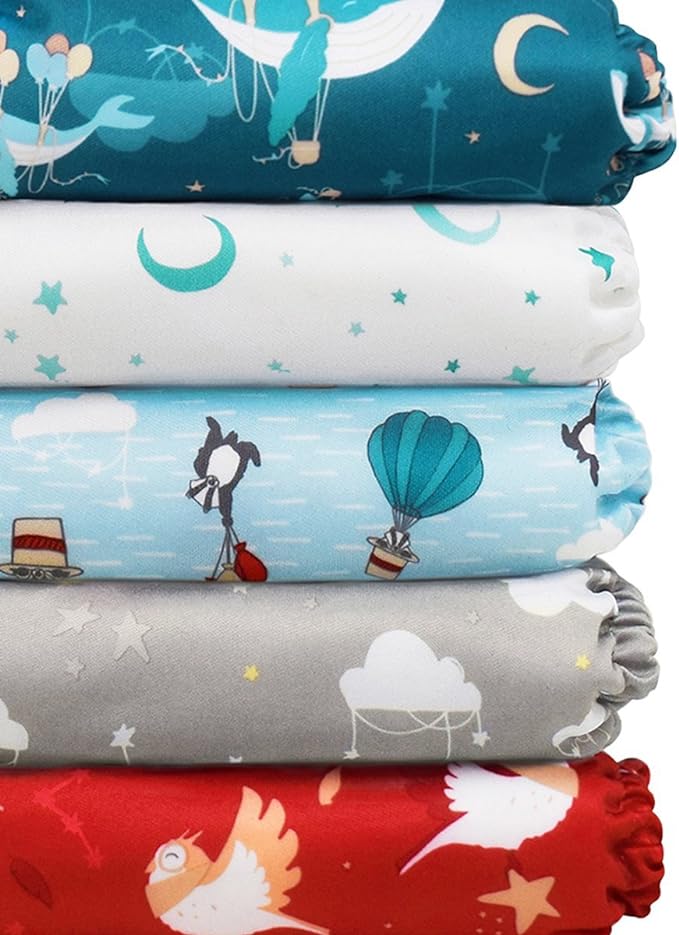
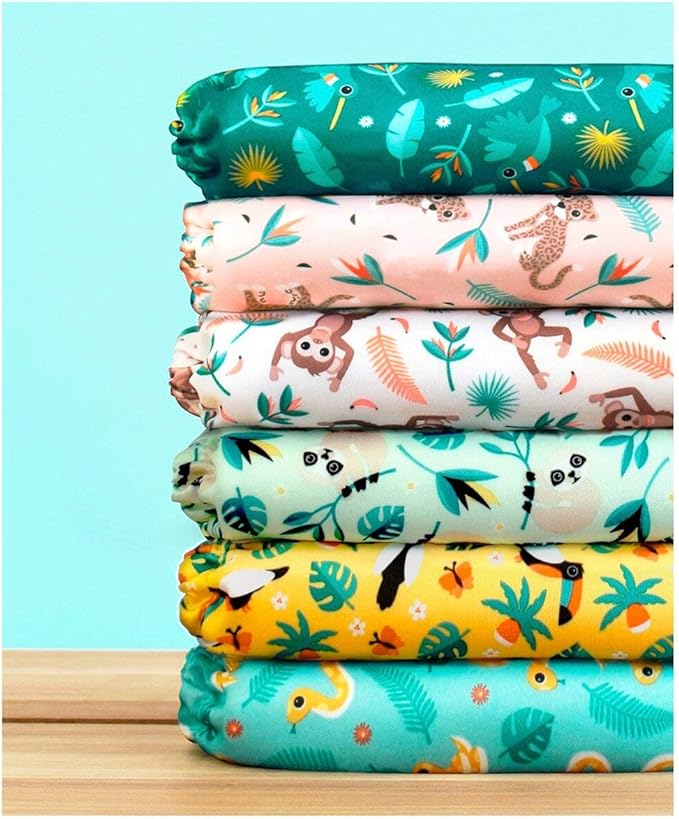
Believe me when I say cloth nappies are nothing less than adorable. Those cute prints make my heart melt every time. Imagine teeny pandas or little elephants on that bubbly bottom. Just perfect for those days when you want to let your little one rock the no-trouser look (because, honestly, who can bother wrestling a wriggly baby into trousers all the time?)
We tend to prefer the nappies with velcro rather than poppers but that’s just my preference and we’ve never really found them to leak at all if we’re using the right size. The velcro ones also have poppers going down the front (if you notice in the above picture) which adjust the size and then a velcro tab to adjust it around the waist. You can get newborn nappies but I tend to use disposables until my babies are big enough for the birth to potty sizes. I’ve never found them to cause a rash, quite the opposite actually as I think when a baby feels wet in a cloth nappy they will tell you straight away.
And last, but definitely not least, they’re housetraining helpers. Yes indeed, cloth nappies are less absorbent than disposables, which means kiddos can feel when they’re wet. And you know what that can lead to? Earlier potty training (and isn’t that like the holy grail of parenting victories?)
So there you go, my love, the lowdown on cloth nappies. Sure, disposables are convenient, but once you go the cloth route, it’s hard to go back. It’s a bit like parenting, hun – seems daunting at first, but once you jump in, you realise it’s full of benefits and adorably patterned surprises. Now, isn’t that worth contemplating over our morning cuppa?
If you liked this post you may also like:
Baby-led weaning first foods
End of breastfeeding
Extended Breastfeeding