

Deschooling is a transformative process that serves as a bridge between traditional schooling and home education. It allows both children and parents to adjust to a new educational paradigm, moving away from the structured environment of conventional schools to a more flexible, personalised learning experience. This period is essential for shedding ingrained perceptions about education and embracing a more holistic approach to learning.
Five years ago we decided to remove our children from school to homeschool. After much consideration and research, we realised instead of jumping straight into our new learning journey we would need to embrace a period of ‘de-schooling’ first.


Understanding Deschooling
The term “deschooling” was introduced by Austrian philosopher Ivan Illich in his 1971 book, Deschooling Society. Illich critiqued the institutional nature of traditional education, arguing that it often stifles creativity and imposes a one-size-fits-all model on diverse learners. He advocated for a society where learning is self-directed and not confined within the walls of a classroom.
What is deschooling?
In the context of homeschooling, deschooling describes the transition period that families undergo when shifting from traditional school settings to home-based education. This phase allows children to recover from the rigidity of school routines and rediscover their natural curiosity and love for learning. It also provides parents with the opportunity to observe their children’s interests and learning styles, facilitating the development of a tailored educational approach.
The Importance of Deschooling
This is crucial for several reasons:
- Decompression: Children often experience stress and burnout from the demands of traditional schooling. To ‘de-school’ during this time gives them a period for them to relax and decompress, which is vital for mental and emotional well-being.
- Rediscovery of Interests: Away from a standardized curriculum, children have the freedom to explore topics that genuinely interest them, fostering a love for learning.
- Adaptation to New Learning Environments: Both parents and children need time to adjust to the dynamics of homeschooling. Providing a buffer period to experiment with different learning methods and schedules.
- Breaking Free from Traditional Mindsets: Parents and children often carry preconceived notions about education. Deschooling helps in challenging and reshaping these beliefs, paving the way for a more effective homeschooling experience.


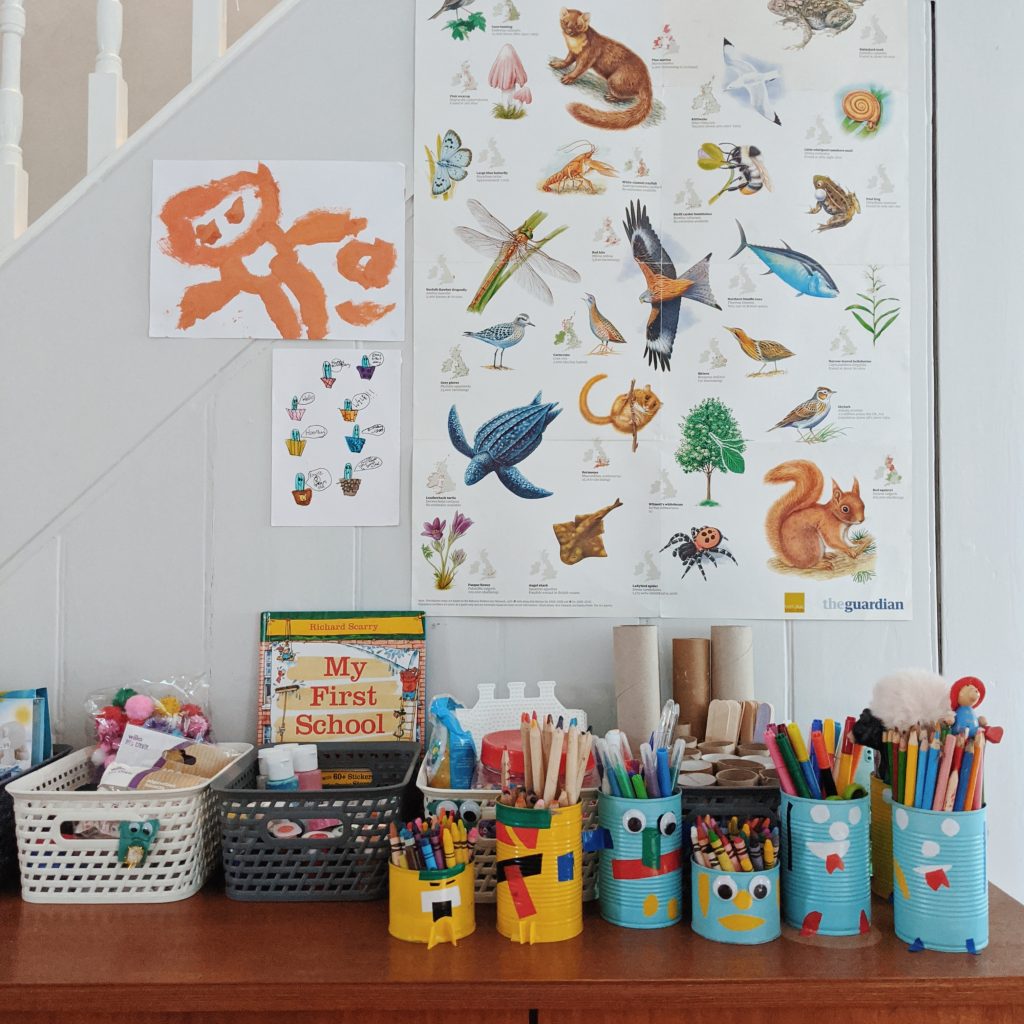
Implementing Deschooling
The process is unique to each family, but some general guidelines can be helpful:
- Duration: A common recommendation is to deschool for one month for each year the child spent in traditional schooling. However, this is flexible and should be adjusted based on the child’s needs and experiences.
- Activities: Engage in unstructured activities that promote curiosity and joy. This can include reading for pleasure, exploring nature, visiting museums, or pursuing hobbies.
- Observation: Parents should observe their children’s interests and learning styles during this period. This insight is invaluable for designing a customized homeschooling curriculum.
- Avoid Formal Academics: Resist the urge to introduce structured academic work too soon. Allow the child to guide their learning journey during the deschooling phase.
Challenges and Considerations
Deschooling can be challenging, especially for parents who are accustomed to traditional educational structures. Concerns about falling behind academically or skepticism from peers and family members are common. It’s important to remember that deschooling is a temporary phase aimed at fostering a healthier and more effective learning environment.
Additionally, while deschooling is widely recognized within the homeschooling community, it may not be understood or accepted by educational authorities. Therefore, when communicating with local authorities, it’s advisable to describe this period as a “transition phase” focused on adjusting to a new learning environment.
Thinking about home education?
Deschooling is a vital step in the journey from traditional schooling to homeschooling. It allows both children and parents to reset, reflect, and embrace a more personalized approach to education. By understanding and implementing deschooling, families can create a learning environment that nurtures curiosity, creativity, and a lifelong love for learning.
If you enjoyed this post you may also like these posts on home education :
Reasons to choose homeschooling
A guide for homeschooling beginners
Hidden costs of home educating